
Diversification for Sustainable Growth: Why African Startups Should Look Beyond Venture Funding

The global economic downturn is one of the early warning signs that startups should look elsewhere to quench their investment needs. Unfortunately for African businesses, mergers and acquisitions are predicted to be the primary growth strategy for startups worldwide. At the same time, data shows that investors anticipate significant reductions in their investment rates, which does not bode well for African companies.
Proposed PII Directive Holds Both Promise and Caution for MoMos

The revised directive is a first step toward opening the mobile money sector in Ethiopia to foreign investment. As the revised directive has not yet been tested in practice, it may be necessary to make additional modifications to ensure the success of Mobile money services in Ethiopia.
Smart City Development: Trends and The Future

A smart city is an innovative city that leverages technology and data to enhance public services. This can involve utilizing data analytics, sensor technology, and other advanced technologies to optimize resources, improve efficiency, and reduce waste. Smart cities often apply technology in the areas of transportation, energy, healthcare, security, and communication.
Digital Financial Services for a Sustainable Future

The United Nations General Assembly laid out the Sustainable Development Goals (SDGs) in 2015 as a set of 17 interconnected metrics to “ensure universal peace and prosperity by 2030”. However, according to the United Nations Independent Group of Scientists’ midterm assessment, the world has not made sufficient progress toward them.
Developments in InsurTech Market: Innovations, Benefits, and Lessons for Ethiopia

InsurTech, short for Insurance Technology, is a term that refers to the application of technological innovations in the insurance industry. This involves utilizing various technologies such as the Internet of Things (IoT), Blockchain, Big Data, the Internet, Social Media Data, Mobile, Chatbots, Telematics, Biometrics, Artificial Intelligence, and Machine Learning to enhance specific components of the […]
Adoption, Access To Agricultural Financial Services In Rural Ethiopia

The Ethiopian government, for the past decades, has committed at least 10% of the federal budget to the agricultural sector development for the past decade. Although improvements in productivity is observed, there is still a long way to go. One of the reasons for this is the slow adoption of new technology. It is believed slow adoption can be caused by low access to financial services prohibiting farmers from investing in yield-improving technologies.
Overview of Ethiopia’s Remittance Market

Ethiopia’s [formal] remittance inflow was estimated at 2.5 billion dollars by the NBE in 2020 and US$504 million by World Bank’s 2020 in the same year. Despite their discrepancies, both data sources show that the United States and Saudi Arabia are among Ethiopia’s top five send markets.
Microfinance Institutions: the Need for Capital

The National Bank of Ethiopia (NBE) has increased the minimum capital requirements for microfinance firms (MFIs) by over seven folds as of January 16, 2023.
This came as no surprise to existing Microfinance institutions or those under establishment, as the Bank has indicated a capital requirement increase is imminent.
Financial Sector Liberalization in Ethiopia: How to Cope with the Upcoming Changes?

Ethiopia’s government is undergoing the long-awaited liberalization of the country’s financial sector. The Ethiopian Economics Association has published a study that investigates the effects of foreign investment on the financial sector, including the preparedness of financial institutions, the steps that could be taken to maintain competitiveness, and the potential negative outcomes.
Estimating Informal Remittance Flows
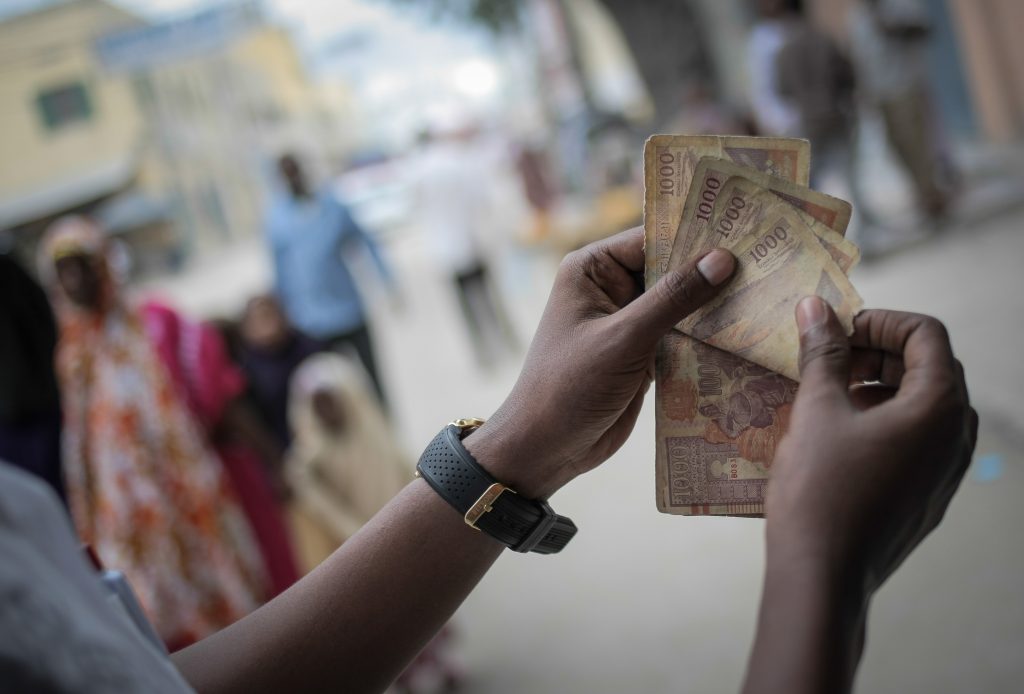
Accurate remittance flow data is important for policymakers and financial product innovators. However, it is difficult to gather due to imprecise accounting and the choice of informal remittance channels by migrants. Informal remittances have varied conceptual definitions and may range between 35–75 percent of official formal remittances in developing countries.