
Digital Literacy: a Crucial Tool for Building a Functional Digital Economy in Ethiopia

The lack of adequate skills in Ethiopia limits the adoption of digital initiatives in different sectors, preventing communities from accessing financial services and reaping the benefit of other private and government provisions.
Financing Young Agripreneurs

The Food and Agriculture Organization (FAO) has released a report that provides an overview of the current state of agricultural financing for young people in developing and emerging countries. The report highlights trends, challenges, opportunities, innovative solutions, and initiatives related to financing young Agripreneurs.
Customer Data Handling by MMOs & Their Agents: Lessons from Uganda
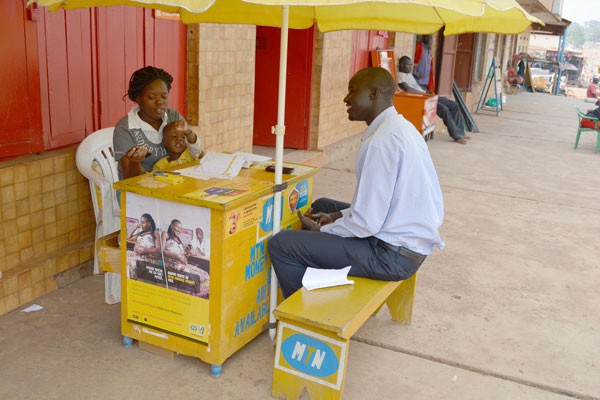
Data protection risks have been shown to increase alongside the popularity of online banking and other digital financial services. DFS adoption is hindered by the possibility of risk, according to a study by CGPA that tracked the evolution of consumer risk regarding DFS.
Another study conducted by the Center for Global Development (CGAP) and Microsave Consulting (MSC) provides insights into how mobile money providers and their agents can safeguard customer data and privacy. It provides a synopsis of a study done in Uganda based on secondary sources and demand and supply side interviews
Maximizing Insurance Service Adoption Through Agent Networks
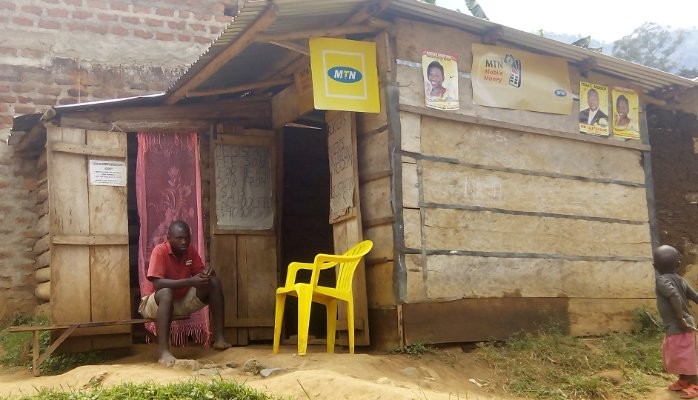
Agent networks can be a powerful tool for banking services providers, telecom companies, and insurers to distribute their products and services, particularly in underserved areas such as rural communities.
Financial Services for Climate Resilience

A review done on financial products in sub-Saharan Africa (including Ethiopia), Latin America, and South East Asia discovered a limited amount of climate-responsive financial products available in the regions. As a result, people vulnerable to climate crisis use products that are not explicitly designed for climate purposes.
Insuring the Gig Economy

The gig economy is becoming a significant source of youth employment in developing countries. In Africa, there are an estimated few hundred gig platforms employing millions of youth. With the rise of ride-hailing, food and parcel delivery services in Ethiopia, the past decade has seen quite a shift in the availability of gig work. The ride-hailing sector alone employs over 40,000 people.
Uncollateralized & Digital Credit in Ethiopia: How Far Has it Come and Where is it Heading?

The last few years have witnessed the rise of a seminal phenomenon in the Ethiopian financial sector that goes back more than a century – digital lending. Although digital credit has immense potential in serving the underfinanced Ethiopian population, there is no lack of impediments holding that potential back.
Among the hurdles are the lack of digitized identification and credit rating systems, a heightened fear of risk due to the absence of efficient risk mitigation methods, and difficulties in loan collection.
E-commerce as a Tool for Digital Financial Literacy: Lessons from Bangladesh

A publication by UNCDF explores sustainable avenues for the delivery of digital financial literacy (DFL) to small and micro businesses (SMBs).
The Alarming Leadership Gender Gap in the Ethiopian Banking Sector

While there are several studies on gender and financial inclusion in Ethiopia, they do not explore the leadership gender gap in the banking industry. This assessment of the gender gap in the Ethiopian banking industry that draws various data from Ethiopian Banks concludes “Women are significantly underrepresented in leadership positions across Ethiopia’s commercial banking sector, and that the percentage of female staff decreases with each step of seniority.”
Universal Connectivity: A Dream or an Illusion?
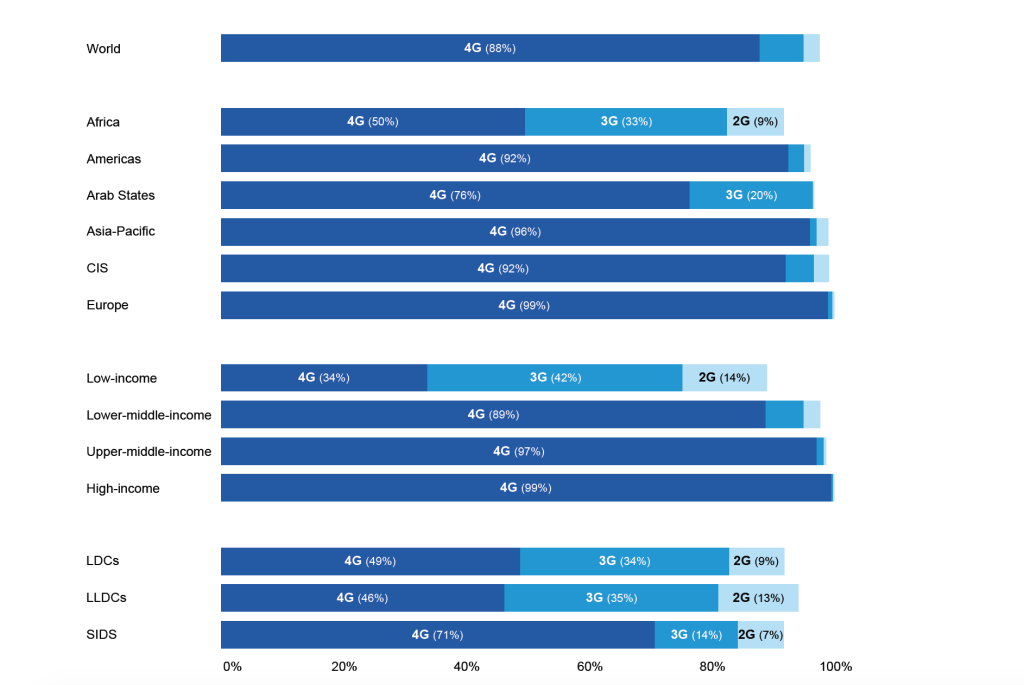
An annual research report by International Telecommunication Union (ITU) measuring digital connectivity around the globe indicates the world is far from achieving universal connectivity.